
World Heart Day: How Manipal Hospitals Turned Bengaluru’s Red Lights into Hearts
Published · By Gaurav Phogat
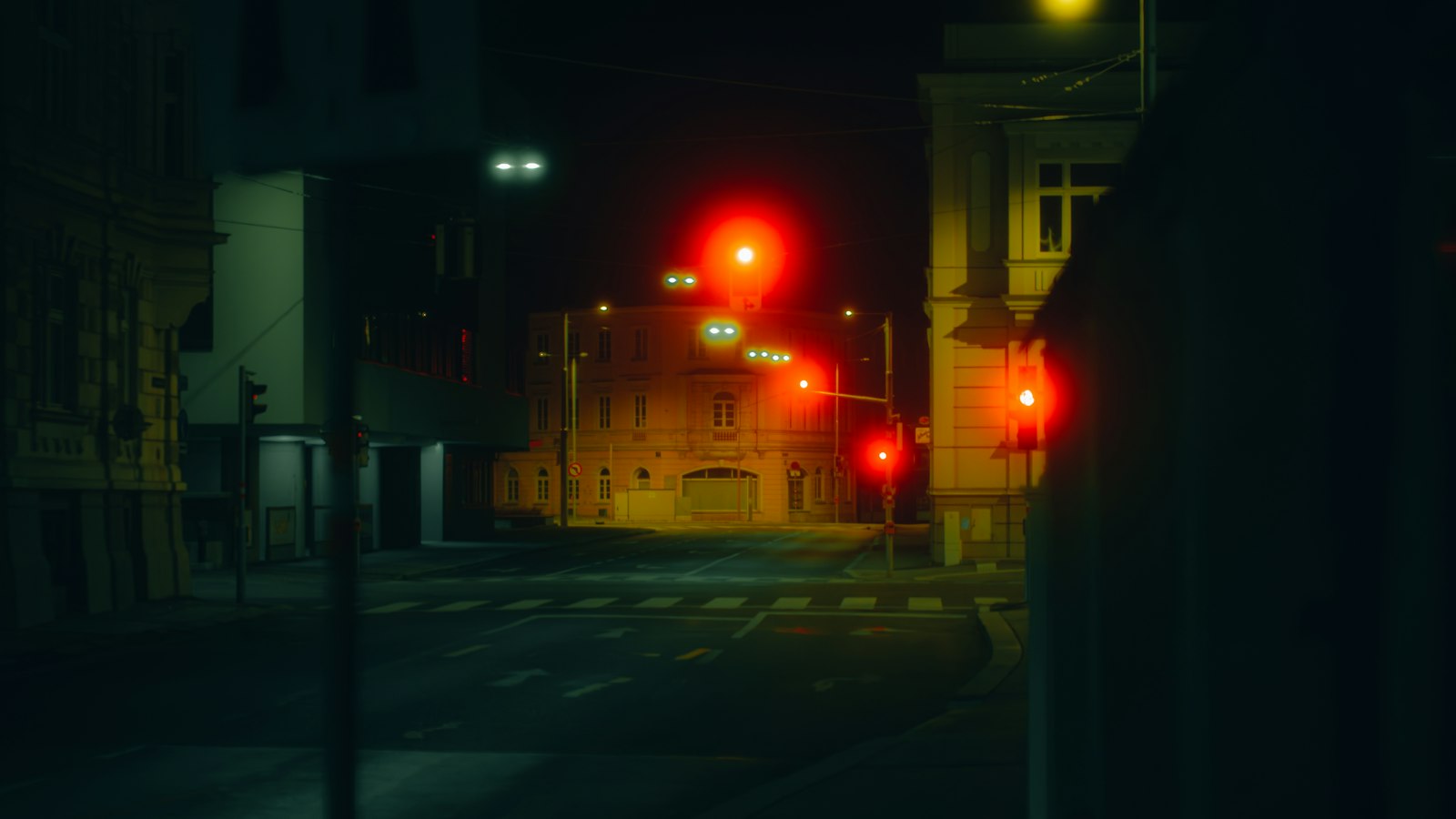
World Heart Day falls on 29 September. In 2022, Manipal Hospitals and the agency Social Panga turned red traffic lights across Bengaluru into hearts and placed a QR code beside them that opened a one-minute CPR video. The lesson: find the moment when your audience is stuck and has a minute to spare, and give them one useful thing to do with it.
About World Heart Day
World Heart Day was announced in 1999 by the World Heart Federation (WHF) together with the World Health Organization. The idea came from Antoni Bayés de Luna, WHF president from 1997 to 1999. The first edition was held on 24 September 2000, and the day moved from the last Sunday of September to a fixed date of 29 September from 2011 (Britannica). The day aims to raise awareness of cardiovascular disease and how much of it can be prevented. WHF says cardiovascular disease claims over 20 million lives a year and that 80% of those deaths are caused by risk factors that can be prevented or managed. Its 2026 campaign, “Don’t Miss a Beat”, asks people to recognise warning signs, protect their hearts and press leaders for national heart health plans (World Heart Federation).
See every healthcare PR and communications guide in one place.
Guardians of the Heart: heart-shaped traffic lights in Bengaluru
| Campaign | #GuardiansOfTheHeart (the heart-shaped traffic lights) |
| Organisation | Manipal Hospitals, with Bruhat Bengaluru Mahanagara Palike (BBMP) and Bengaluru Traffic Police |
| Agency | Social Panga (with The Yellow Shutter credited on award entries) |
| Year and country | September 2022, Bengaluru, India |
| Linked health day | World Heart Day, 29 September |
| Timed to the day? | Yes, launched on World Heart Day |
| Channels | Traffic signals and signboards, QR codes, YouTube, earned media, Twitter pickup |
| Headline result | About 1.4 billion impressions and 12,000+ QR scans (agency and brand reported) |
| Recognition | Gold at Digies 2023 (Best Use of Viral Marketing); Shorty Awards winner (Physical and Digital Convergence); Shorty Impact Awards winner (Public Health) |
The problem it had to solve
Heart awareness messages in India are easy to ignore. Every hospital runs a World Heart Day post, a walkathon or a free check-up camp, and most of it blends together. The team started from a different gap: knowing what to do when someone collapses. The campaign material cites a figure that only about 2% of people in India know how to perform CPR, a number afaqs! attributes to WHO data. I could not trace the primary source, so treat it as a widely quoted estimate rather than a measured fact. The award entry also notes that most cardiac arrests happen outside hospitals (Shorty Impact Awards entry).
The media problem was just as clear. Bengaluru is known for traffic. The case study describes it as the 6th most congested city in the world and says citizens spend about 20% of their travel time waiting at signals (Social Samosa case study). That is a captive, bored audience looking at one fixed point: the red light.
The idea in one line
Turn the red “stop” light into a heart, and use the wait at the signal to teach the first steps of saving a life.
How it worked
- Civic partnership. The hospital worked with BBMP and Bengaluru Traffic Police, which gave it access to the signals themselves rather than the hoardings next to them (afaqs!).
- The asset. The red lights at signals were changed to a heart shape. Signboards with QR codes were placed below them.
- The QR codes. According to the award entries, scanning opened a one-minute CPR training video (Shorty Awards entry). The Social Samosa case study also describes a cardiac emergency QR code meant to connect people to emergency support.
- The ask. Two steps: call an ambulance and start CPR.
- Amplification. The offline activation did the heavy lifting. YouTube was the main paid digital platform, with no promotion on Instagram or Facebook, and the rest came through newspapers, digital publications and people sharing it on Twitter, including Kiran Mazumdar-Shaw and Lara Dutta (afaqs!).
The published accounts do not agree on scale. afaqs! calls it a week-long campaign at “key junctions”. The Shorty entries say over 100 traffic signals for 30 days, and the Social Samosa piece mentions both 15 locations and over 100 signals. If you cite this campaign in a pitch, use “multiple junctions across Bengaluru” unless you get the number from the hospital.
The name also has history. Manipal Hospitals had used “Guardians of Heart” in 2019 for a CPR and Basic Life Support training drive launched at its Dwarka hospital in New Delhi before World Heart Day (BW Healthcare World). So the 2022 traffic lights were not a one-off stunt. They gave a bigger public face to a platform the brand already owned.
Results
- About 1.4 billion impressions across media and about 12,000+ QR scans, per afaqs!. The award entries give 1.45 billion earned media impressions and 12,600 QR scans (Shorty Awards).
- A 911% increase in social engagement (Social Samosa).
- About 8 to 9 lakh YouTube impressions and 98% positive responses to the activation (afaqs!).
- Gold at Digies 2023 for Best Use of Viral Marketing (afaqs!), a win in Physical and Digital Convergence at the 15th Shorty Awards (Shorty Awards) and a win in Public Health at the 8th Shorty Impact Awards (Shorty Impact Awards).
All of these numbers come from the brand, the agency or their award entries, and none of them is independently audited. Impressions measure reach, not learning. 12,000 scans is the closest thing to a behaviour metric, and it tells you people opened the video, not that they watched it or could now do CPR. No one has published a count of bystander CPR events linked to the campaign.
What makes it stand out
- A context insight, not a medical one. The idea came from how people live in the city (stuck at signals), not from a clinical fact. That is why it felt fresh.
- A distinctive asset hiding in plain sight. A red light is already the colour of the heart and already means “stop”. Changing its shape was a small change with a big visual payoff, and it photographed well, which is why it spread.
- One small behaviour. It did not ask people to “take care of their heart”. It asked for one minute and taught two steps.
- Public partners, earned media. Working with the city and traffic police gave it credibility and made it a news story, so it needed very little paid social media.
- A platform, not a post. It built on the hospital’s existing “Guardians of Heart” CPR programme.
Criticism and limits
- Road safety. Encouraging drivers and riders to scan a QR code at a signal sits awkwardly with traffic rules on phone use. A pedestrian or passenger can scan safely; a two-wheeler rider at a green light cannot.
- Video is not training. A one-minute clip raises awareness. Hands-on practice is what builds the confidence to push on someone’s chest. The campaign did not report how many people moved on to in-person training.
- Inconsistent public numbers. Week-long or 30 days, 15 locations or 100+ signals: the accounts differ, and that weakens it as a case study.
- Hard to copy. Changing traffic signal hardware needs civic permission that most hospitals will not get easily.
Would it pass in India today?
Largely yes. The core content is health education tied to a recognised health day, which clause 8.2 of the NMC 2026 guidelines allows. It uses no patient testimonials (clause 8.1(ii)), no “best” or “No.1” claims (clauses 8.1(iii) and 8.1(ix)) and no success stories (clause 8.1(v)). Three things to watch if you run something similar now. First, keep the hospital branding secondary to the instruction, so it reads as education rather than promotion. Second, if the CPR video uses AI-generated visuals or voice, clause 7.2 restricts AI-generated promotional content and requires AI content to be labelled. Third, if the QR code captures phone numbers or registrations for training, you need clear consent under the DPDP Act. ASCI’s healthcare guidelines also mean any claim like “learn CPR in one minute” should be worded carefully so it does not overstate what a video can do.
Watch or see the campaign: Guardians of the Heart on the Shorty Impact Awards site
What an Indian hospital can borrow for World Heart Day
What I take from this campaign is simple: own one place and one behaviour, and repeat it every year.
1. A “one-minute CPR” QR at places where people wait (Low: under Rs 1 lakh)
Channel: standees and posters at your own OPD waiting areas, pharmacy counters, metro or bus stops near the hospital, and housing society notice boards, all pointing to a short CPR video hosted on your website. Measure scans and video completion, not impressions. Compliance: keep it educational (clause 8.2), with no doctor rankings or outcome claims. If a form follows the video, collect only what you need with DPDP consent.
2. A corporate and RWA CPR week (Mid: Rs 1 to 10 lakh)
Channel: LinkedIn and WhatsApp outreach to HR heads and resident welfare associations, then on-ground hands-on sessions run by your emergency team in the doctors’ own names (allowed under clause 8.2). Publish a short recap with headcounts trained. Compliance: no participant testimonials used for promotion (clause 8.1(ii)), and get written consent before posting any group photos.
3. A civic landmark moment (High: above Rs 10 lakh)
Channel: partner with a municipal body, metro rail corporation or traffic police to change one familiar city symbol for the week, such as a station signboard, a flyover lighting scheme or a bus shelter, tied to a CPR learning link. Pitch it as a news story first, social second. Compliance: factual hospital information only (clauses 8.3 and 9.1), no “leading cardiac centre” claim unless it can be objectively verified with the source disclosed (clause 8.1(ix)), and label any AI-made creative (clause 7.2).
Related reading
- Iconic Health Campaigns: the full series
- Health awareness days calendar for India
- Newsjacking and health awareness days
- NMC advertising guidelines 2026, explained
Sources
- Britannica: World Heart Day
- World Heart Federation: 2026 Don’t Miss a Beat campaign
- afaqs!: Here’s why Manipal Hospitals’ heart-shaped traffic lights amazed the internet
- Social Samosa: case study on the Manipal Hospitals Heart Day campaign
- Shorty Awards (15th): Guardians of the Heart
- Shorty Impact Awards (8th): Guardians of the Heart
- BW Healthcare World: Manipal Hospitals Dwarka unveils Guardians of Heart (2019)
Questions people ask
The World Heart Federation’s 2026 campaign is “Don’t Miss a Beat” (#DontMissABeat). It focuses on recognising the warning signs of heart disease, prevention, and asking leaders to put national heart health plans in place.
Manipal Hospitals ran it in Bengaluru with the agency Social Panga, in partnership with BBMP and Bengaluru Traffic Police. It launched on World Heart Day in 2022.
It used a place where people were already waiting and looking (the red light), changed one familiar symbol into a heart, and asked for one small action: scan and learn CPR in a minute. Civic partners and a strong visual made it a news story, so most of its reach was earned rather than paid.
Pick one useful behaviour, such as learning hands-only CPR or knowing warning signs, and build short videos, a simple landing page and a QR route to it. Keep it educational, avoid “best hospital” claims and patient testimonials under the NMC 2026 guidelines, label any AI-generated content, and take consent for any data you collect.
Read my takes first in Google Search