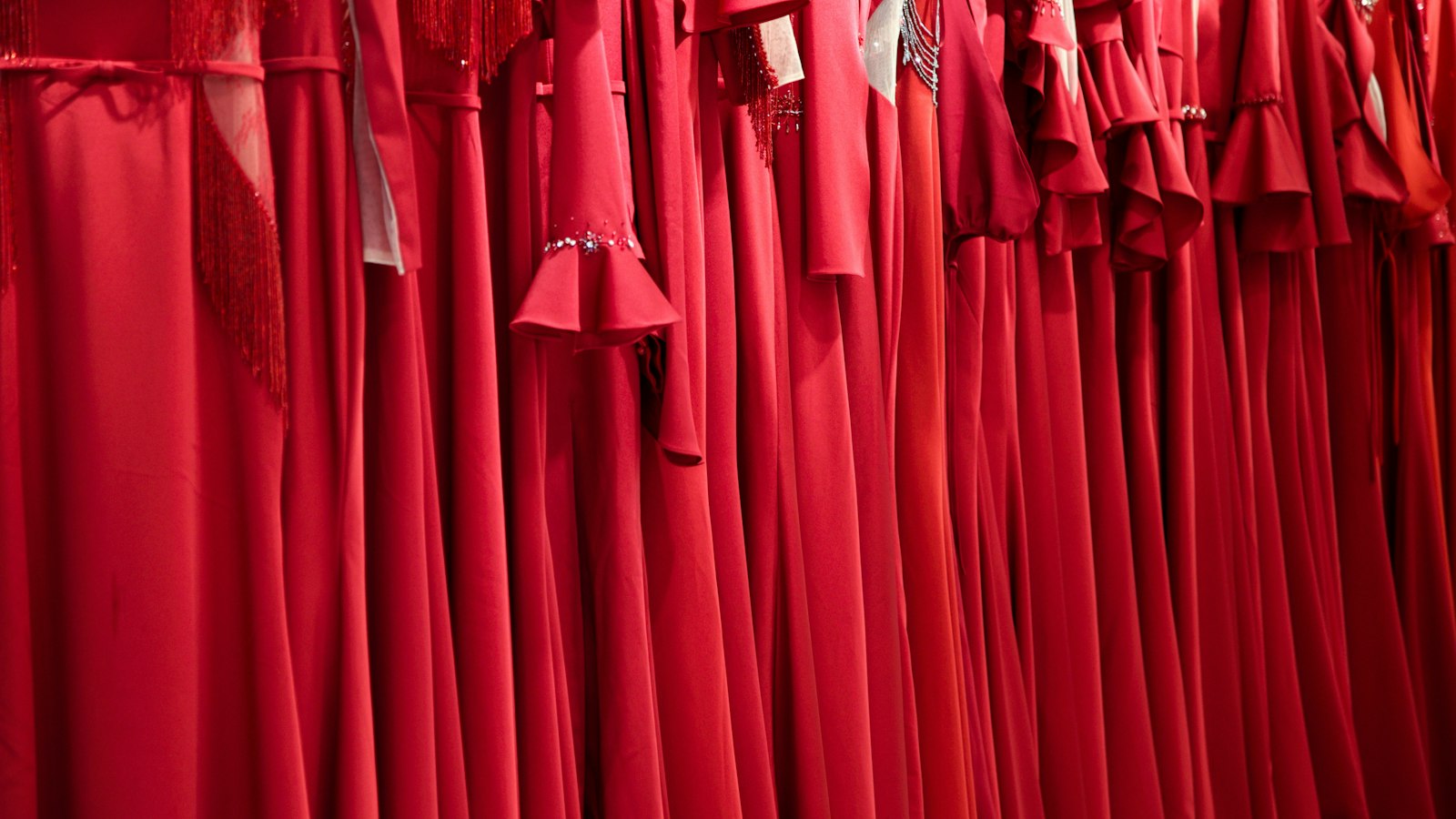
National Wear Red Day: Go Red for Women and The Heart Truth
Published · By Gaurav Phogat
National Wear Red Day, on the first Friday of February during American Heart Month, asks people in the US to wear red for women’s heart health. Two campaigns built it: the US government’s The Heart Truth, with its Red Dress symbol, and the American Heart Association’s Go Red for Women. The lesson: a colour anyone can wear is a powerful asset, but awareness fades if the message stops being renewed.
About National Wear Red Day and American Heart Month
February has been American Heart Month since 1964. President Lyndon B. Johnson signed Proclamation 3566 on 30 December 1963, after Congress asked by joint resolution for an annual proclamation naming February as American Heart Month. National Wear Red Day falls on the first Friday in February, which was 6 February in 2026. It is sponsored by The Heart Truth, a programme of the National Heart, Lung, and Blood Institute (NHLBI). The ask is simple: wear red and encourage others to do the same, to raise awareness that heart disease is the leading cause of death in the US. Do not confuse it with World Heart Day, which is a separate global day in September.
New to the topic? Start here: PR & Communications sets out the reading order.
The Heart Truth and the Red Dress: a government symbol for women’s hearts
| Campaign | The Heart Truth (Red Dress symbol) |
| Organisation | National Heart, Lung, and Blood Institute (NHLBI), US National Institutes of Health |
| Agency | Not verified, so not named |
| Year and country | 2002, United States |
| Linked health day | National Wear Red Day, within American Heart Month |
| Timed to the day? | Yes. The Heart Truth sponsors National Wear Red Day |
| Channels | Red Dress symbol, fashion week show, partner networks, social media |
| Headline result | NHLBI says women’s awareness “has doubled since the launch of the program in 2002” (self-reported) |
| Recognition | No award verified, so none listed |
The problem it had to solve
Heart disease was widely seen as a man’s problem, even though it is the leading cause of death for women. NHLBI created The Heart Truth in 2002 as the first federally sponsored national health education programme on heart disease in women. A government health message had to compete for attention in women’s lives, which meant borrowing a language women already engaged with.
The idea in one line
Use fashion’s own symbol, the red dress, to tell women that heart disease does not care what they wear.
How it worked
- A symbol: The Heart Truth introduced the Red Dress in 2002 as the national symbol for women and heart disease awareness. Its original tagline linked the dress to heart disease being women’s number one killer.
- A stage: the Red Dress Collection, a fashion show at New York Fashion Week, launched in 2003 with the fashion industry.
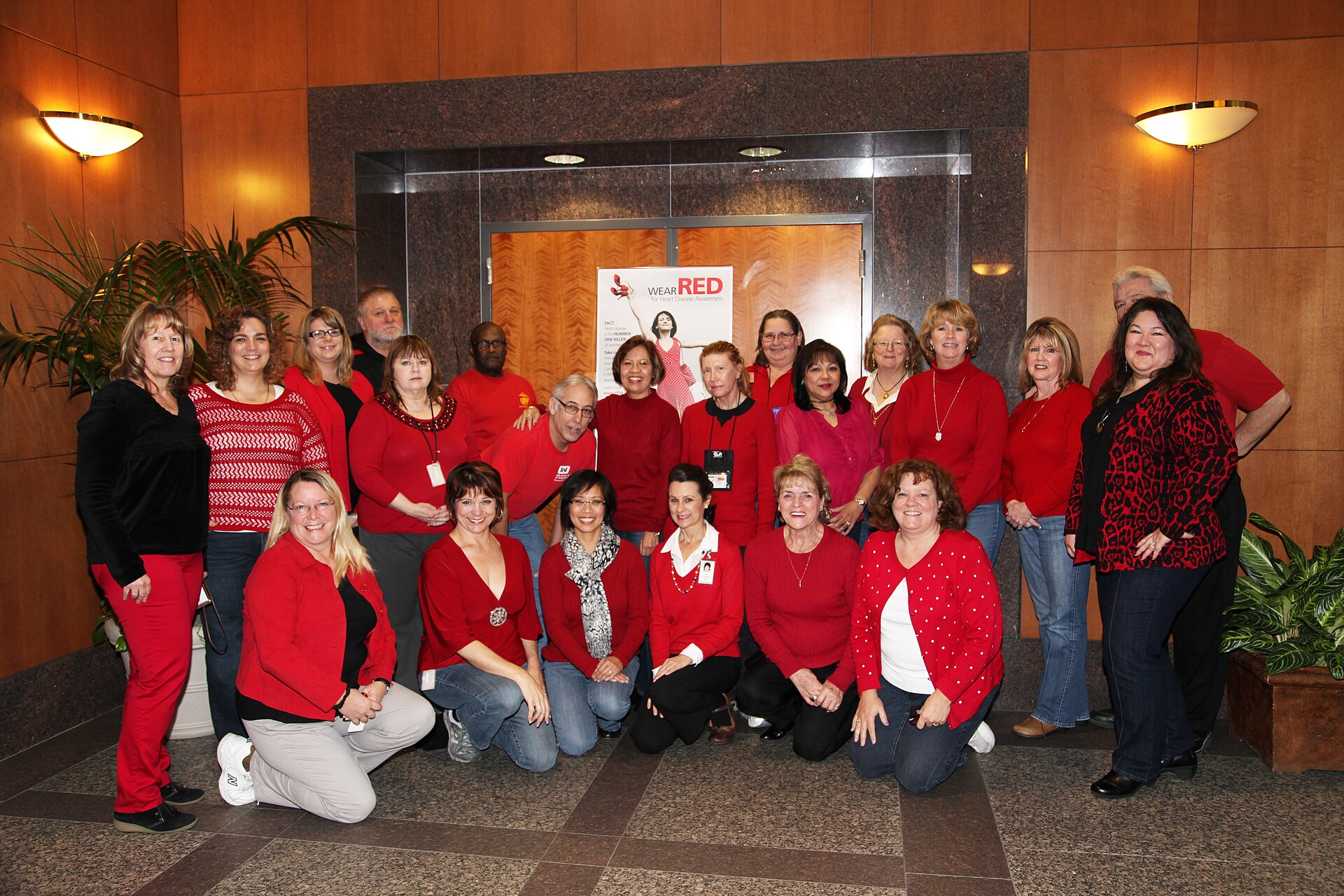
- A day: National Wear Red Day turned the symbol into a public action anyone could take.
- A network: the Healthy Hearts Network of national groups, state and federal agencies and community institutions carried the message locally.

Results
NHLBI states that studies show women’s awareness of heart disease “has doubled” since 2002. That is the programme’s own summary, and awareness also rose because many groups were working on the same issue, so the credit is shared. A later trend complicates the picture, covered under criticism below.
What makes it stand out
- A distinctive asset anyone can wear. Red clothing needs no merchandise, so participation is open to everyone.
- Borrowed attention. Fashion week gave a government health message a stage it could not buy.
- A surprising frame. Pairing a glamorous dress with a blunt health fact creates tension that people remember.
- Shared ownership. Giving the symbol to partners, rather than guarding it, helped it spread.
Criticism and limits
Awareness did not hold. An American Heart Association study in Circulation (2020) found that awareness of heart disease as the leading cause of death in women fell from 65% in 2009 to 44% in 2019, with the steepest drops among Hispanic women, non-Hispanic Black women and women aged 25 to 34. A symbol can become wallpaper: people recognise the red dress but stop hearing the message. There is also a risk that a fashion-led frame speaks most to women already reached by fashion media.
Would it pass in India today?
Yes, as long as it stays educational. A colour-and-symbol campaign on a recognised day is allowed health education under clause 8.2 of the NMC 2026 guidelines. Celebrity designers or models wearing red are fine; a celebrity presented as a hospital’s heart patient would not be, under clause 8.1(v). Any “red dress” visual made with AI must be labelled (clause 7.2).
See the campaign: NHLBI: About The Heart Truth and The Red Dress
Go Red for Women: the American Heart Association’s movement
| Campaign | Go Red for Women |
| Organisation | American Heart Association (AHA) |
| Agency | Not verified, so not named |
| Year and country | 2004, United States |
| Linked health day | American Heart Month and National Wear Red Day |
| Timed to the day? | Yes, it peaks in February, though it runs all year |
| Channels | Membership, social media, local events, corporate and community fundraising, research funding |
| Headline result | Over 900,000 women joined (as of 2023) |
| Recognition | No award verified, so none listed |
The problem it had to solve
The AHA launched Go Red for Women in 2004 to make the point that women, and not only men, are vulnerable to heart disease. A charity also needs money and members, so the campaign had to raise awareness and build a base of supporters at the same time.
The idea in one line
Turn a colour into a membership: join, wear red and fund research on women’s hearts.
How it worked
- Information plus action: the campaign explains women’s heart risks and the steps they can take.
- Local and national fundraising pays for awareness, research, education and community programmes for women.
- Research: from 2016 to 2021 the AHA put $20 million into the Go Red for Women Strategically Focused Research Network, which also received $52 million from the NIH.
- Leadership: a Go Red National Leadership Council of women executives was formed in 2017.
- Joining the government symbol: Go Red has run the Red Dress Collection with The Heart Truth since 2014, so the two campaigns now share one stage.
Results
Go Red reports over 900,000 women joined as of 2023 and a social media audience of over 5.3 million in 2022. These are reach and membership figures, reported by the organisation, not health outcomes. The research network spending is a more durable result, since it builds evidence on women’s heart disease.
What makes it stand out
- Membership, not just a message. Signing women up creates a list the AHA can keep talking to after February.
- Awareness tied to research. Money raised goes visibly into science on women’s hearts, which gives donors a reason beyond the colour.
- Partnership over rivalry. A charity and a government programme chose to share a symbol and a stage instead of competing.
Criticism and limits
The same 2009 to 2019 awareness decline applies: it was published by the AHA itself, which is to its credit. Membership and audience numbers tell us how many people opted in, not whether risk fell. Two red campaigns with similar names and one shared colour can also blur in the public mind, which helps the cause but makes it hard for either to claim its own effect.
Would it pass in India today?
A membership drive for heart health education fits clause 8.2 of the NMC 2026 guidelines. A hospital version must not become a lead-capture funnel dressed as a movement: sign-ups need clear DPDP consent and purpose, and claims like “India’s leading heart centre” need objective, disclosed proof under clause 8.1(ix). Survivor stories used to promote the hospital would breach clause 8.1(ii).
What an Indian hospital can borrow for National Wear Red Day
National Wear Red Day is American. In India the borrowable part is the idea of a colour day for women’s heart health, which a hospital could run in February or move to World Heart Day in September.
- Low (under Rs 1 lakh): staff wear red. Channel: Instagram, LinkedIn and an internal photo wall. Doctors and nurses wear red for a day and share one fact about women’s heart symptoms, in their own names. Compliance: greeting and health education on a recognised day (clause 8.2 of the NMC 2026 guidelines); no patient photos.
- Mid (Rs 1 to 10 lakh): a women’s heart health club. Channel: WhatsApp channel and email with opt-in. Monthly education from cardiologists, plus factual information on services and charges. Compliance: factual service information allowed (clauses 8.3 and 9.1); explicit DPDP consent; no “best cardiologist” claims (clause 8.1(iii)).
- High (above Rs 10 lakh): a red textile collaboration. Channel: a partnership with a handloom or design label for a red saree or stole collection, with proceeds to a community screening programme. Compliance: the label can promote the cause, but the hospital should not claim outcomes or use patient endorsements (clause 8.1(ii)); state the proceeds clearly under ASCI guidelines.
Related reading
- Iconic Health Campaigns: the full series
- Health awareness days calendar for India
- Hospital social media marketing
Sources
- The American Presidency Project: Proclamation 3566, American Heart Month, 1964
- NHLBI: American Heart Month
- NHLBI: About The Heart Truth and The Red Dress
- Wikipedia: National Wear Red Day
- Wikipedia: Go Red for Women
- Healio: AHA, awareness of heart disease as leading cause of death in women declined from 2009
Questions people ask
It is held on the first Friday of February each year, during American Heart Month. In 2026 it fell on 6 February.
The American Heart Association launched Go Red for Women in 2004. National Wear Red Day itself is sponsored by The Heart Truth, a programme of the US National Heart, Lung, and Blood Institute, which introduced the Red Dress symbol in 2002.
The Heart Truth is a US government education programme that owns the Red Dress symbol and sponsors National Wear Red Day. Go Red for Women is the American Heart Association’s charity campaign, built on membership, fundraising and research. They have run the Red Dress Collection together since 2014.
Ask staff to wear red, share sourced facts on women’s heart symptoms in doctors’ own names, and offer opt-in education. Avoid patient testimonials and “best” claims, which India’s NMC 2026 guidelines restrict.
Read my takes first in Google Search