World Autism Awareness Day: Light It Up Blue and Why the Community Pushed Back
Published · By Gaurav Phogat
World Autism Awareness Day falls on 2 April. Autism Speaks’ Light It Up Blue campaign made the day visible by lighting landmarks blue, but many autistic people rejected it and moved to red, gold and the word “acceptance”. The lesson: reach is worthless if the people you claim to speak for do not feel spoken for.
About World Autism Awareness Day
World Autism Awareness Day is observed on 2 April. The UN General Assembly designated the date through resolution A/RES/62/139, adopted in 2007 (UN). The original resolution focused on raising public awareness. The UN now describes the movement as going beyond awareness toward acceptance, appreciation and inclusion of autistic people. Its 2026 observance was themed “Autism and Humanity: Every Life Has Value”, a call to move past limiting narratives and recognise the dignity and equal rights of every autistic person. UN Secretary-General António Guterres put it simply: autistic people should be able to shape their own lives (UN).
This article is part of the healthcare PR and communications series, best read in order from the pillar.
Light It Up Blue: a landmark lighting campaign
| Campaign | Light It Up Blue |
|---|---|
| Organisation | Autism Speaks (US non-profit) |
| Agency | Not verified |
| Year and country | 2010, United States, then global |
| Linked health day | World Autism Awareness Day, 2 April |
| Timed to the day? | Yes |
| Channels | Landmark and building lighting, social media, blue merchandise and clothing |
| Headline result | More than 100 structures in at least 16 US cities and nine countries in 2010; the White House lit blue in 2017 |
| Recognition | None verified |
The problem it had to solve
A new UN day needs a visual. In 2010, World Autism Awareness Day was only two years into its life and had no recognisable symbol. Autism Speaks, founded in 2005 by Bob and Suzanne Wright after their grandson’s diagnosis (source), wanted public attention and support for its work, which at the time was framed heavily around research and a cure.
The idea in one line
Turn the world’s most photographed buildings blue for one night, so the day becomes impossible to miss.
How it worked
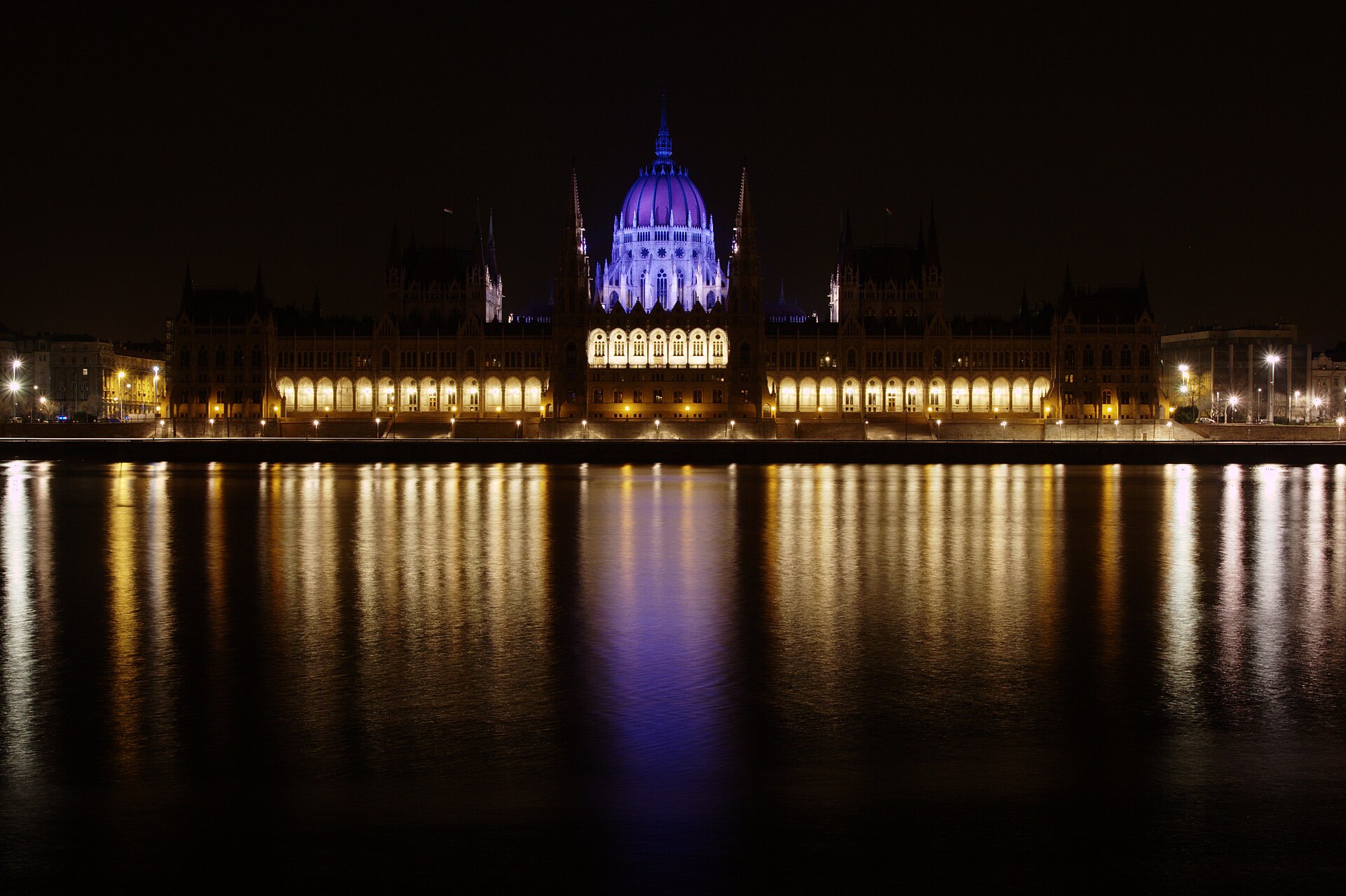
Autism Speaks asked owners of landmarks to light their buildings blue on the night of 1 to 2 April. Early participants included the Empire State Building in New York, Willis Tower in Chicago and the CN Tower in Toronto (source). Individuals were asked to wear blue, change porch lights and share photos online. Each lit building produced free media: news photos, social posts and a sense that the whole city was taking part. The mechanic repeated every year with no new creative needed.

Results
On 1 April 2010, the first year, the campaign included more than 100 structures in at least 16 US cities and nine countries (source). In April 2017 the White House was lit blue for the first time in support of the campaign (Mother Jones). These are reach and participation measures. I found no published evidence that the campaign improved understanding of autism or outcomes for autistic people.
What makes it stand out
- One colour, one night: the simplest possible distinctive asset.
- Borrowed icons: landmarks provide the media value, the campaign just asks.
- Easy participation: wearing blue costs nothing and is easy to photograph.
- Built to repeat: the same ask works every 2 April.
Criticism and limits
This is where the case turns cautionary. Autistic self-advocates, led by the Autistic Self Advocacy Network (ASAN), criticised Autism Speaks for stigmatising language, for excluding autistic people from decisions and for its research priorities (source). The first two openly autistic national board members joined only in 2015, and as of March 2026 ASAN reported that two of 27 board members were openly autistic. The organisation removed curing autism from its mission statement only in October 2016. It had also given high priority to research into the discredited claim that vaccines cause autism, before stating in 2017 that vaccines do not cause autism (source).
When the White House turned blue in 2017, a Mother Jones piece carried autistic voices saying the campaign was bad for them. ASAN’s then executive director Julia Bascom said the group was “very bad at listening to autistic people” (Mother Jones). The colour itself became contested. Many autistic people now associate blue, and the puzzle piece, with framing autism as something to be fixed (AutismBC). The marketing lesson is uncomfortable: a campaign can win on every reach metric and still lose the community at its centre.
Would it pass in India today?
A hospital lighting its building blue on 2 April is a greeting and awareness act, which clause 8.2 of the NMC 2026 guidelines allows. The original “cure” framing would not survive: implying a condition can be cured without evidence is a misleading claim under ASCI’s healthcare guidelines. Featuring an autistic child’s “journey” at a hospital to promote its services would breach clauses 8.1(ii) and 8.1(v), and consent from parents would not fix that under clause 6.2.
From awareness to acceptance: what changed
The pushback did not stay as criticism. It produced an alternative. ASAN has called April Autism Acceptance Month since 2011, arguing that accepting autism as a natural part of human variation is needed for real dialogue (University of Alabama at Birmingham Institute for Human Rights). On 10 March 2021, the Autism Society of America, which had started a national autism awareness effort back in 1970 (UAB), announced with other disability groups that it was formally shifting from “Autism Awareness Month” to “Autism Acceptance Month” and asked media to use the new term. Its CEO Christopher Banks said “words matter” (L’Observateur). The organisation framed acceptance as the route to inclusion in education, jobs, housing and health care (Associations Now).
Colours shifted too. Red spread through the #RedInstead movement, amplified by the Autistic Women and Nonbinary Network, and gold (from “Au”, the chemical symbol) became a sign of autistic pride (AutismBC). Even the UN’s own description of 2 April now speaks of acceptance and inclusion rather than awareness alone (UN). For a marketer, this is a clear case of a community taking back the brand assets of its own cause.
What an Indian hospital can borrow for World Autism Awareness Day
- Ask autistic adults and parent groups before choosing your symbol (Low: under Rs 1 lakh). Channel: a short consultation with a local autism support group, then social posts that use the language they prefer, often “acceptance” and “autistic person”. Compliance: health education and greetings are allowed under clause 8.2; avoid any “cure” or “reverse autism” wording, which ASCI would treat as misleading.
- A sensory-friendly OPD hour (Mid: Rs 1 to 10 lakh). Channel: announce on the website, Google Business Profile and WhatsApp a quieter, low-light appointment slot for autistic patients of all ages, with a visual guide to the visit. Compliance: describing a service and facility factually is allowed under clauses 8.3 and 9.1; do not claim to be the “first” or “best” unless verifiable under clause 8.1(ix).
- A developmental paediatrician’s explainer series (Mid: Rs 1 to 10 lakh). Channel: short videos in Hindi and regional languages, in the doctor’s own name, on early signs of developmental differences and where families can get assessment. Compliance: allowed under clause 8.2; no identifiable children, and label any AI-generated visuals under clause 7.2.
Related reading
- Health awareness days India calendar
- Iconic Health Campaigns: the full series
- Hospital social media marketing
- NMC advertising guidelines 2026, explained
Sources
- World Autism Awareness Day, United Nations
- Light It Up Blue and Autism Speaks, Wikipedia
- The White House turned blue for “autism awareness”. That’s actually bad for autistic people, Mother Jones (April 2017)
- Understanding red and gold colours of autism acceptance and pride, AutismBC
- The shift from Autism Awareness Month to Autism Acceptance Month, UAB Institute for Human Rights
- Autism community shifts from awareness to acceptance, L’Observateur (March 2021)
- Association shifts its messaging from awareness to acceptance, Associations Now
Questions people ask
The UN’s 2026 theme was “Autism and Humanity: Every Life Has Value”, focused on the dignity, equal rights and worth of every autistic person.
Autism Speaks, the US non-profit founded by Bob and Suzanne Wright, launched Light It Up Blue in 2010, asking landmarks to light up blue for World Autism Awareness Day.
Critics link the campaign to Autism Speaks, which they say long excluded autistic people from leadership, framed autism as something to cure and once funded vaccine-autism research. Many prefer red or gold and the word “acceptance”.
Use the language autistic people prefer, share doctor-led education on early developmental signs, and announce practical changes such as sensory-friendly appointment slots. Avoid cure claims and patient stories used for promotion.
Read my takes first in Google Search