
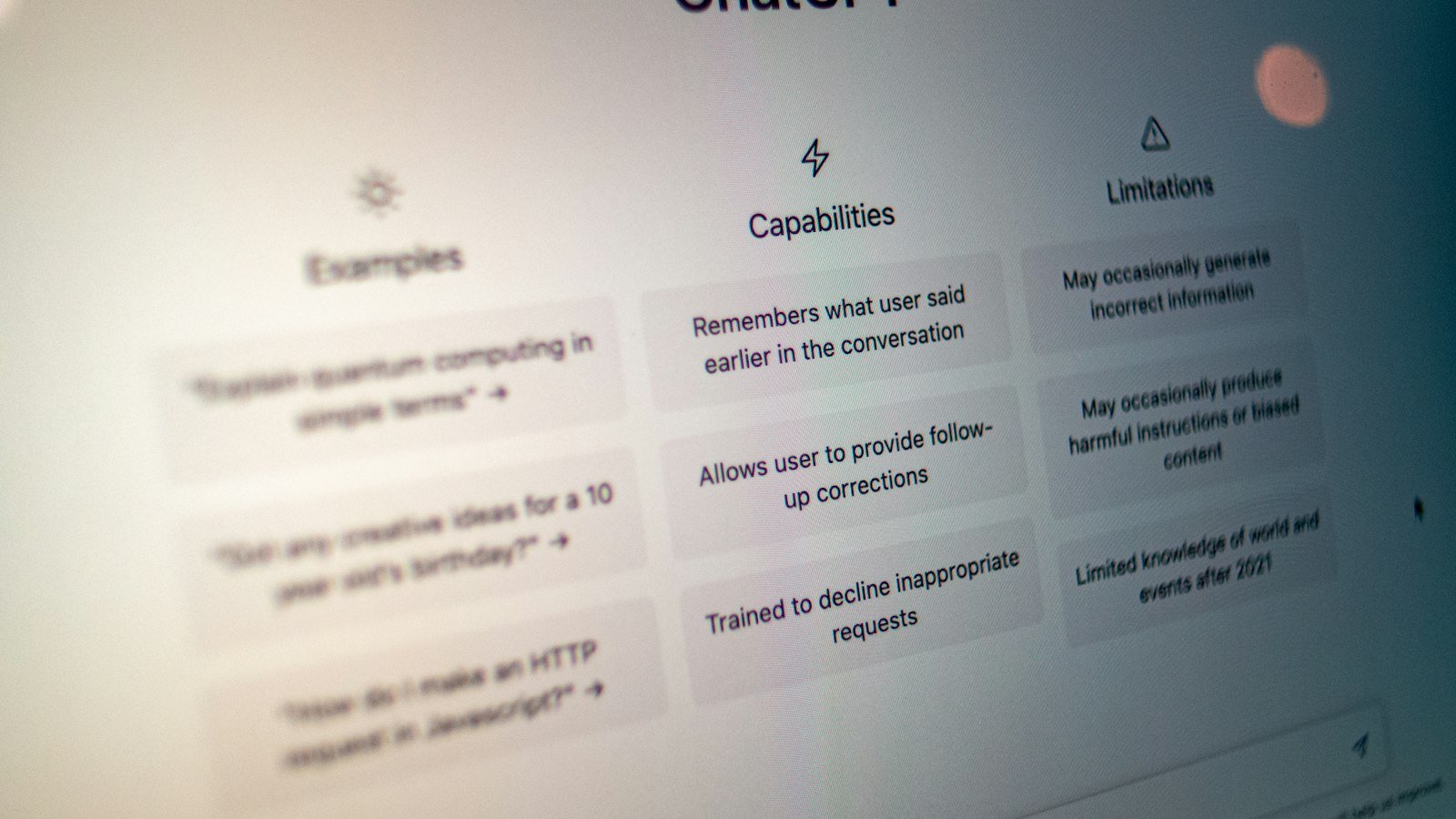
ChatGPT is now on both sides of the consult
Last reviewed
OpenAI’s ChatGPT Health now lets clinicians pull patient data from Epic records into the assistant on a read-only basis. Patients have been asking AI about symptoms and hospitals for a while. Now the same kind of tool sits on the clinician’s side of the desk as well.
What happened
TechCrunch reported on 1 September that ChatGPT Health added an Epic integration allowing clinicians to import notes, lab results and medication records. The access is read-only, and OpenAI says the AI does not write anything back into the record. The company cited a physician review of more than 4,300 responses across 27 clinical use cases in which 99.1% were judged safe, while also stating the product is not suitable for diagnosis or treatment. The article noted two lawsuits against OpenAI over health advice, and that ChatGPT receives around 300 million health questions a week. A new plugin also connects to public sources such as ClinicalTrials.gov and PubMed.
My take
The safety debate will rightly get most of the attention. I want to focus on something else: what this does to the way hospitals are discovered and judged.
A family researching a treatment now often starts with an AI assistant. They ask which hospitals do a procedure well, what it costs, what recovery looks like and which doctors specialise in it. The assistant answers from whatever it can find and trust. Increasingly, the doctor they later see may use a similar assistant to summarise records and check guidance. AI is present at the start of the journey and in the middle of it.
What that means for hospital content
When a person searches Google, a hospital can win with a good page and some links. When a person asks an AI, the hospital is judged on whether its information is clear, consistent and easy for a machine to understand and verify.
- Clear, factual pages. Procedure pages that explain what happens, who is suitable, how long recovery takes and what affects cost.
- Named expertise. Doctor profiles with specialties, qualifications and experience stated consistently everywhere.
- Structured data. Schema markup for doctors, departments, locations and FAQs, so machines can read the facts reliably.
- Consistency across the web. The same facts on your site, your listings and third-party directories. Contradictions reduce trust.
- No hype. Superlatives without evidence are ignored at best and penalised at worst.
What most coverage missed
There is a quiet shift in who the audience is. Hospital content has been written for patients and for search engines. It now also needs to be written for AI systems that summarise it for both patients and clinicians. That is not a reason to write for robots. It is a reason to write more precisely, because vague marketing copy disappears when an AI summarises it.
For Indian hospitals, this matters more than it seems. International patients, in particular, lean heavily on AI assistants to compare hospitals across countries. If your content is thin or inconsistent, you are simply absent from their shortlist.
What I would do
- Audit what three major AI assistants say about your hospital and your top ten procedures.
- Fix factual errors at the source: your own pages and major listings.
- Add structured data and clear FAQs to every high-value page.
- Put medical review on any content that explains conditions or treatments.
- Track AI visibility as a metric alongside search rankings.
What to watch
Watch how regulators and courts shape the limits of AI health advice. Whatever the limits, the assistants are not going away. Being understood accurately by them is now part of a hospital’s reputation.
Source: TechCrunch. Figures as reported at the time of writing.
Questions people ask
TechCrunch reports it lets clinicians import notes, labs and medication records from Epic into ChatGPT Health on a read-only basis, with no data written back to the record.
No. OpenAI states it is not suitable for diagnosis or treatment, even though a physician review found 99.1% of tested responses safe across 27 use cases.
Hospitals are increasingly judged by how clearly and consistently AI systems can understand their information, so precise procedure pages, doctor profiles and structured data matter more.
Ask major AI assistants about the hospital and its key procedures, note errors and gaps, and fix the source information on the website and listings.
