Public hospital grades will make outcomes a marketing asset
If hospital outcomes become public, the brand will finally have to match the ward. Hospitals that start collecting clean outcomes data now will own the story when grades arrive.

Industry Watch reads hospital and healthcare news from India and the world from the growth seat. Each piece takes one story, such as a deal, a regulation, a results call or a technology launch, and asks what it changes for hospital brands, digital teams and patient acquisition. The format is short and dated: a key facts table, the news in brief, then a clear take on what most coverage missed and what a hospital marketing or digital leader should do next. Topics include hospital group expansion, insurance and cashless policy, the DPDP Act, AI in healthcare operations and the shifting rules for medical advertising. Start here for the takes grouped by theme. It is written for CXOs and growth teams at Indian hospitals who need context, not headlines.

If hospital outcomes become public, the brand will finally have to match the ward. Hospitals that start collecting clean outcomes data now will own the story when grades arrive.

A patient assistance centre in Dar es Salaam is a cheap, owned front door. The hospitals winning international patients are building distribution, not just clinical capability.

Free AI health chat is becoming a patient acquisition channel with a paid membership at the end. Indian hospitals should notice before a chatbot becomes their patients’ first stop.

When a machine reads the claim, clean hospital data means faster cashless discharges. The insurance journey is now part of the patient experience, and of the brand.

A global partner name and a not-for-profit label give a hospital a story before it has a patient. Kolkata’s incumbents should treat the years before opening as the real contest.

You cannot build a CRM, a response standard or an AI assistant on patient conversations that live on staff phones. Owning the conversation is the real DPDP win.

AI booking agents only work when the scheduling rules underneath are written down. In most Indian hospitals those rules live in people’s heads. Codifying them is the real project.

The decision maker for a senior patient is usually an adult child on a phone. Few hospital brands have content or CRM journeys built for them.
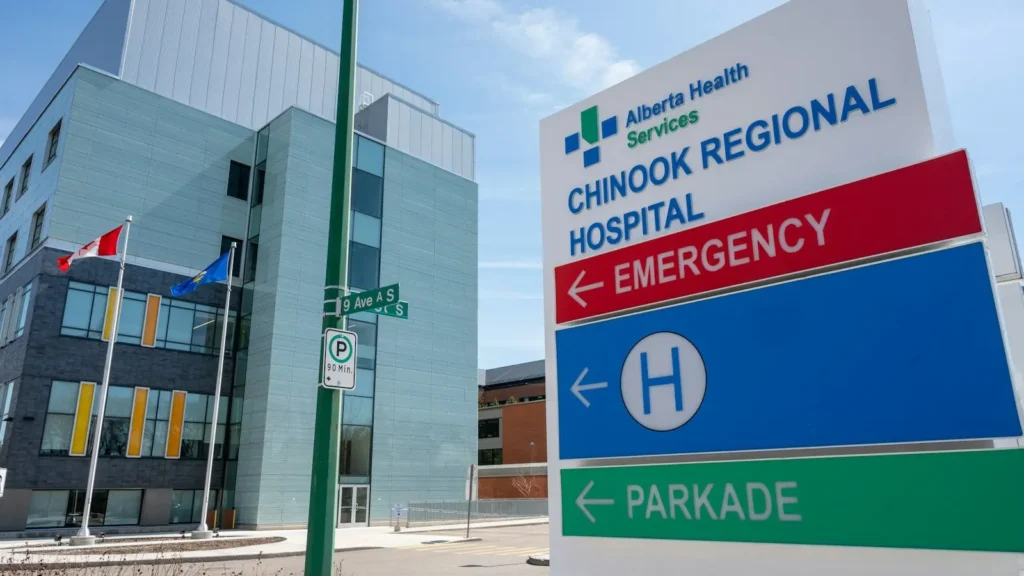
The fight was about who owns the name, not the medicine. Local hospitals hold a sense of belonging large systems cannot buy, and erasing it destroys value.

DPDP ends the habit of pouring every patient record into the CRM. Hospitals that make consent feel like a benefit will end up with better data than those that hide it.
I use Google Analytics cookies to see which articles are useful. They stay off unless you accept. Privacy policy