Tier-2 city expansion: what the digital footprint tells you first
Before a site visit or a feasibility model, a new city’s digital footprint shows how people search, whom they trust and which specialties they leave town for.


Before a site visit or a feasibility model, a new city’s digital footprint shows how people search, whom they trust and which specialties they leave town for.

Whether a hospital opens loudly or quietly should be decided by readiness evidence, not temperament. How to weigh soft, hard and phased openings before the date.

For the first month after opening, the phone is the hospital. How to prepare the scripts, routing and staffing cover that decide what callers think of you.

A hospital name outlives its doctors, equipment and strategy. How to choose one that works on the phone, on maps, in regional languages and across a growing group.
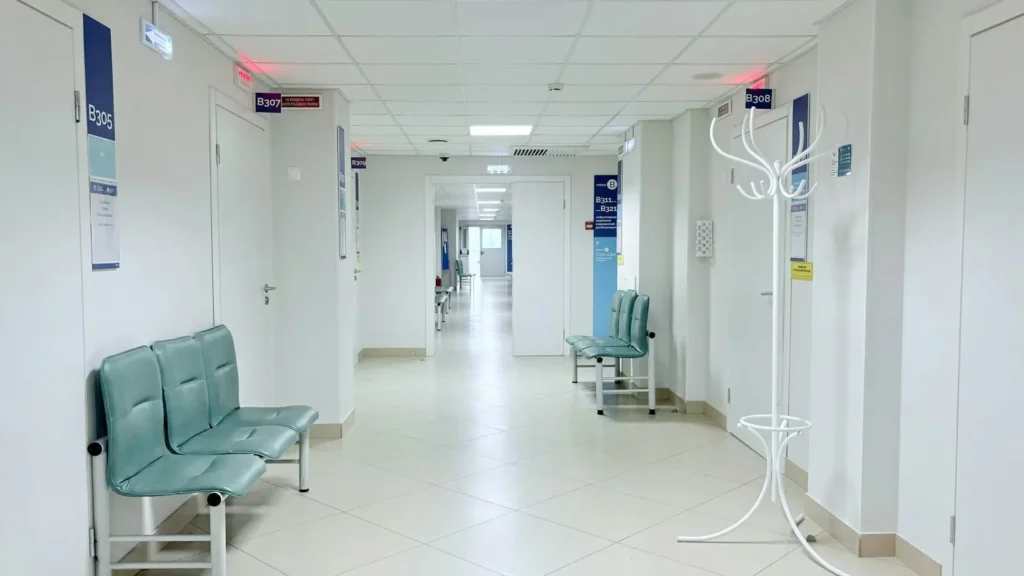
A new centre on an old campus inherits every habit, queue and routing rule already there. The launch work is about shared services, internal referrals and honest measurement.
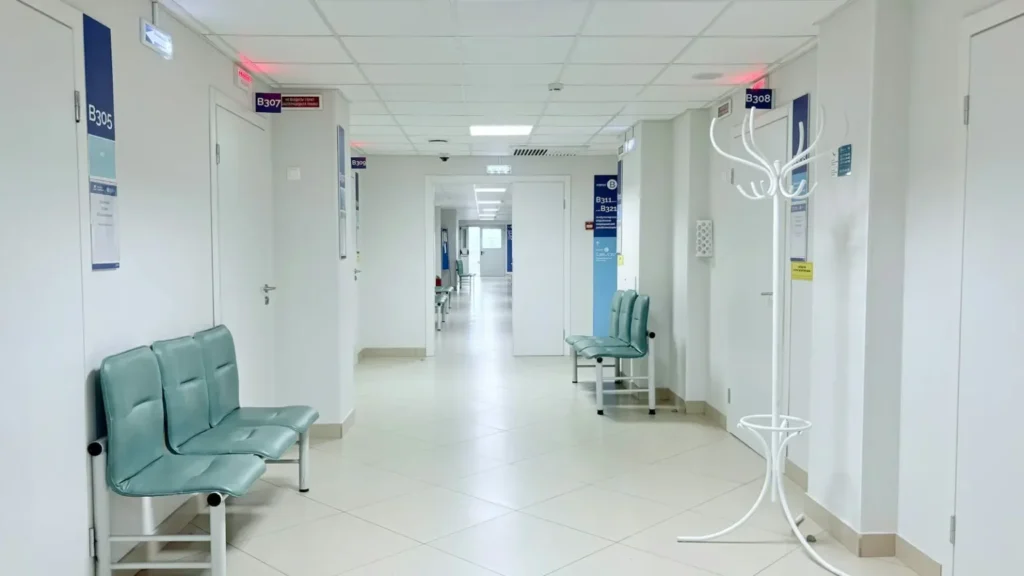
A two-quarter demand sequence for a specialty with no brand: your own records first, then search surface, doctor content, second opinions, referral outreach and only then paid media.

Which numbers are trustworthy in a new hospital’s first quarter, which ones mislead, and when a soft month two justifies changing the marketing mix.

How to build catchment awareness and referral groundwork before clinical hiring completes, what you can honestly promise, and why early media spend is usually wasted.

The supply side of a hospital launch playbook travels well. Catchment behaviour, language, referrals, payer mix and pricing perception do not, and that is where launches fail.

A new hospital is the only moment demand is measured honestly. Nine lessons a launch teaches about catchment, referrals, empanelment and attribution, and how to take them back to mature units.
I use Google Analytics cookies to see which articles are useful. They stay off unless you accept. Privacy policy