
Why hospital enquiries never become appointments (and how to fix the leaks)
 4:46
4:46Most hospitals do not have a lead problem; they have a follow-up problem. This video shows where patient enquiries leak between the first call and the appointment, the one number that exposes the leak, and five fixes to make first.
Chapters
Transcript
Most hospitals do not have a lead problem. They have a follow-up problem.
In this video: where patient enquiries leak between the first call and the appointment, the one number that shows the leak, and what to fix first.
Here is the uncomfortable truth.
A hospital can spend heavily on search ads, social media and its website, and generate a healthy number of calls, forms and WhatsApp messages.
But if those enquiries are not answered quickly, followed up, and turned into a confirmed slot, the money is gone. And the loss rarely shows up in any report, because nobody is counting it.
Every patient goes through five steps. Discover. Compare. Enquire. Book. Attend.
Marketing teams usually measure the first two: traffic, impressions and leads.
The expensive losses happen at step three, enquire, and step five, attend. That is where this video focuses.
The number that exposes the leak is the enquiry-to-appointment rate.
It is simple. Take every enquiry from calls, forms, WhatsApp and walk-ins. Count how many became a booked appointment within, say, fourteen days.
Report it by channel, by specialty and by location. Not as one blended number, because the blended number hides the worst leaks.
Picture the funnel. Enquiries come in at the top.
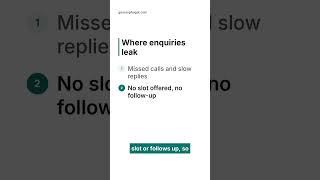
Some are lost because nobody responds in time: missed calls, slow WhatsApp replies, forms that land in an unread inbox.
More are lost because nobody follows up: no slot offered, no answer on price, no callback.
And some booked patients never arrive, because there was no reminder, or an easier option appeared.
Leak one is the response gap.
Missed calls cluster in the busiest OPD hours, exactly when patients are most likely to call.
WhatsApp has become the default channel for many families, but messages often sit unanswered for hours.
Website forms still go to a shared inbox that nobody owns.
And enquiries that arrive at night or on Sunday wait until Monday afternoon, by which time the patient has booked elsewhere.
Leak two is the missing follow-up.
The patient asks, and gets information, but is never offered a specific slot.
Questions about cost, cashless insurance or which doctor to see are left open, so the patient keeps shopping.
And when the first callback is missed, there is no second attempt.
Leak three is the no-show.
A booked appointment with no reminder is a guess, not a commitment.
Patients who do not know what to bring, or how to prepare for a test, cancel or arrive unprepared.
And a reputation for long waits makes a closer or quicker option tempting on the day.
Here is why this matters to the budget.
Every enquiry that leaks has already been paid for. Plugging the leak converts money you have already spent.
Buying more traffic into a leaking funnel simply leaks more.
So what should a hospital fix first? Five things.
One. Bring every channel into one queue, in one CRM, with a named owner for each enquiry.
Two. Set a response-time target, for example a first reply within fifteen minutes during working hours, and measure it.
Three. Track missed and abandoned calls, and call them back within the hour.
Four. Train the team to offer a specific slot in every conversation, not just information.
Five. Send a reminder and simple preparation instructions the day before, with the patient's consent.
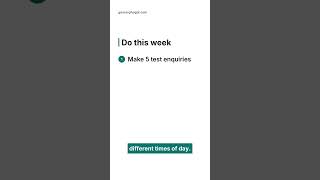
You can find your own leaks this week without any new software.
Make test enquiries yourself, on the phone, by form and on WhatsApp, at different times of day, and note how long each reply takes.
Pull last month's enquiries and check what happened to each one.
Then compare conversion by channel and by specialty. The weakest combination is where to start.
One last point.
A cheap lead that never becomes an appointment is not cheap. The number that ties marketing and operations together is the cost per honoured appointment: what it cost to produce a patient who actually walked in.
When both teams own that number, the leaks get fixed.
The full written guide, with a checklist and sources, is on gauravphogat.com. The link is in the description.
More videos


General information for healthcare marketers, not medical, legal or financial advice. All videos