
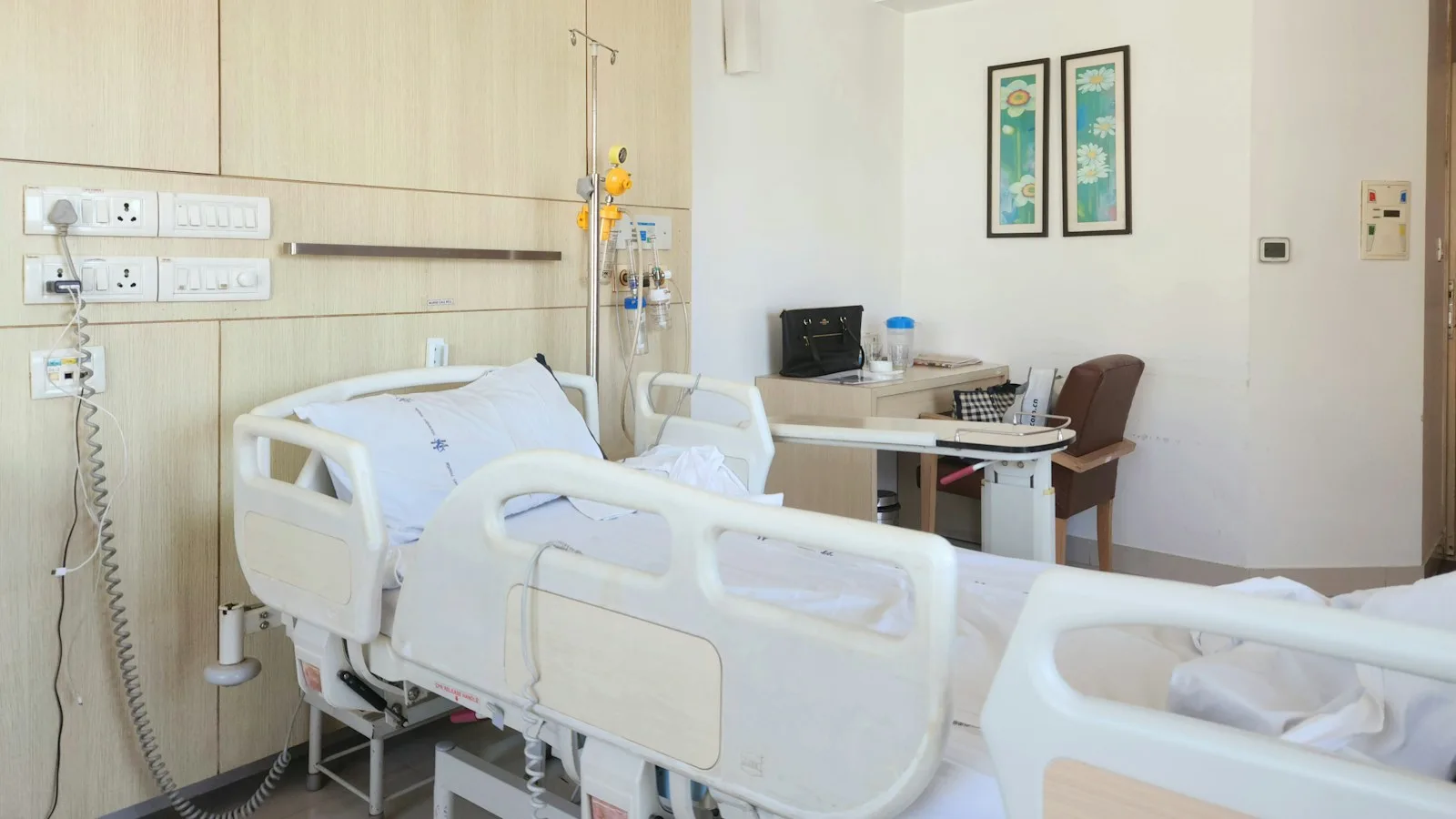
New hospital beds are filling fast. The harder question is which patients fill them
Business Standard reported on 1 September that recently opened beds at some large private hospitals reached about 80% occupancy within months. That ends one worry about India’s bed expansion. It opens a better question for growth teams: are the new beds filling with the patients they were built for?
Key facts at a glance
| What happened | Business Standard reported on 1 September 2026 that 18 large private hospital chains are expected to add more than 34,000 beds between FY26 and FY30, an investment of around Rs 40,000 crore, citing rating agency Icra. Recently opened beds at Max Smart in Delhi and Nanavati Max in Mumbai had reached around 80% occupancy. |
| Reported by | Business Standard, 1 September 2026 |
| My take in one line | For a new specialty block, occupancy is the wrong scoreboard. Case mix is the right one. |
What happened
The report says the expansion lifts the chains’ combined capacity by 48 to 50% from March 2025 levels, and that demand is keeping pace. Q1 FY27 occupancy was reported at about 75% for Max Healthcare, 68.7% for Fortis and 65% for Manipal. Some new hospitals, including Manipal’s Yelahanka and Kanakapura units in Bengaluru and Aster’s Kasaragod hospital in Kerala, were reported to have reached EBITDA break-even within two to nine months.
The investment is going mainly into high-value specialties such as oncology, cardiac sciences and neurosciences. Citing Crisil Ratings, the report says oncology alone has grown from around 12% to 18% of revenue since before the pandemic.
My take
Fast fill is good news, and it tells us something about where the risk now sits. When a known brand opens beds on or near an established campus, patients arrive. The brand, the doctors and the referral relationships come with the building. Volume is rarely the problem in the first year.
Mix is. A new block planned around oncology and cardiac work has a capital cost and a payback built on those service lines. If it fills with general medicine admissions because they are the easiest patients to bring in, occupancy looks healthy while the business case drifts. The beds are full, but not with the patients the investment was for.
That changes the growth team’s brief. The question is no longer “how do we fill 200 beds” but “how do we bring in the oncology and cardiac patients this block was designed for, at the right stage of their journey”.
What most coverage missed
Specialty patients are acquired very differently from general admissions. An oncology patient rarely starts with a search for a hospital. They start with a diagnosis elsewhere, a referring physician, a second opinion, an insurance question and a family conversation. That journey runs over weeks and passes through several decision-makers. Search ads and awareness campaigns help at the edges, but the real levers are referral relationships, second-opinion pathways and how fast and clearly the hospital responds to the first enquiry.
It also matters whether capacity is brownfield or greenfield. An Antique Broking report covered by The Tribune in June estimated that 63% of the planned expansion in its sample is brownfield. Brownfield beds inherit demand. A greenfield hospital in a new city does not, and the 80% headline should not set its expectations. I have written about that case in the greenfield demand plan.
What I would do
- Plan demand by service line, not by bed count. Set targets for the specialties the block was built for, with their own funnels and budgets.
- Track case mix from week one. Report the share of admissions in target specialties alongside occupancy, so drift shows up early.
- Map the referral network before opening. Know which physicians, diagnostic centres and smaller hospitals send the patients you need, and manage them in a CRM, not a spreadsheet.
- Make the second opinion easy. A clear page, a named coordinator and a response within hours win patients who are comparing hospitals.
- Measure conversion from OPD and diagnostics to admission by specialty. That is where specialty leakage usually hides.
What to watch
- Q2 FY27 results from listed chains in October and November, and whether occupancy holds as more new beds open.
- Whether chains start disclosing specialty mix or revenue per bed for new units, not only occupancy.
- How quickly greenfield units in tier-2 cities ramp compared with metro extensions.
Source: Business Standard, citing Icra and Crisil Ratings; The Tribune, citing Antique Broking. Figures as reported at the time of writing.
Questions people ask
Business Standard reported on 1 September 2026, citing Icra, that 18 large private hospital chains are expected to add more than 34,000 beds between FY26 and FY30, with an investment of around Rs 40,000 crore.
It varies. The report said recently opened beds at Max Smart in Delhi and Nanavati Max in Mumbai reached around 80% occupancy, and some new hospitals reached EBITDA break-even within two to nine months. New hospitals in new cities usually take longer.
Specialty blocks are built and financed around specific service lines such as oncology or cardiac care. If beds fill with other admissions, occupancy looks good while revenue and payback fall short of the plan.
Mostly through referring doctors, second-opinion journeys, insurer relationships and fast responses to enquiries, rather than through general awareness or search advertising alone.
Occupancy, the share of admissions in target specialties, conversion from OPD and diagnostics to admission by specialty, referral source mix and enquiry response time.
Yes. Brownfield beds inherit an existing brand and referral base, so they tend to fill faster. A greenfield hospital needs a demand plan that starts well before opening.
Read my takes first in Google Search