
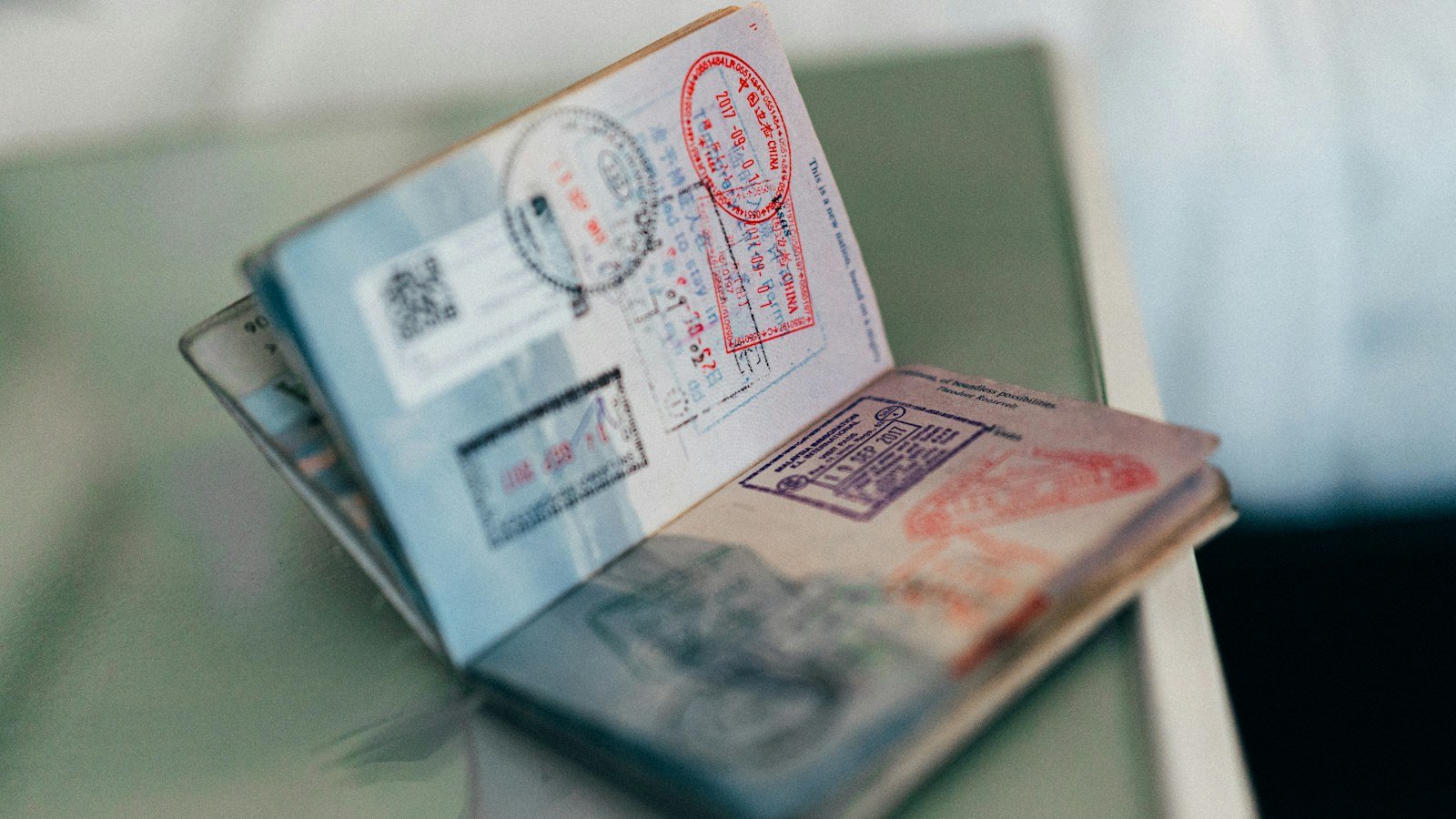
Patients from Afghanistan: documentation, visas and the long-stay family
Medical travel from Afghanistan usually means weeks or months in your city rather than a single admission, so process built around an episode breaks. Fix the treatment and duration letter and its reissue turnaround, stop duplicate records at registration, estimate the whole plan and agree an underfunded-case policy, arrange interpreting properly, and separate discharge from departure.
Most international patient processes are designed around an episode that begins and ends. Enquiry, estimate, arrival, admission, discharge, departure. The desk measures how many cases converted and moves on.
Then there is the family that is still in your city in the third month. The treatment is going to plan. The patient is out of the ward and coming in for reviews. Two attendants are living in a rented room nearby, money is arriving in pieces from somewhere else, the paperwork they travelled on is close to expiring, and nobody in your hospital owns any of that. Medical travel from Afghanistan produces this shape more often than most source markets, and a desk built for the episode model will handle almost none of it well.
What follows is about duration: the documents your hospital actually controls, the record that will not match across systems, money that arrives in tranches, interpreting, and the fact that discharge and departure are separated by weeks. None of it is exotic. It is simply not what standard process assumes.
Why medical travel from Afghanistan is a duration problem
Two things stretch the timeline. The first is the case mix. What travels tends to be work that cannot be done in a single admission: cycles, staged reconstruction, rehabilitation after serious injury, transplant, complex paediatric care. These need weeks of presence, sometimes months, with the patient moving between inpatient and outpatient status several times.
The second is travel itself. Assembling travel documents and arranging the journey takes longer than from most places, routes are often indirect through a third country, and dates slip. That is a scheduling fact your desk has to work with and nothing more; rules and requirements in this area change and must be checked with the relevant authority and with your own international desk rather than taken from a website, including this one.
The consequence for the hospital is that your unit of service is not an admission. It is a stay. Every process that assumes the family will leave shortly after discharge, from billing to follow-up to the way you count a case, needs an exception path. In my experience, hospitals that write that exception path down handle this market calmly and hospitals that do not spend their time firefighting the same five problems.
The paperwork your hospital actually controls
There is a clean line here that teams keep blurring. Entry requirements, permissions and extensions are matters for the relevant authorities and for the family. What sits squarely with you is the supporting documentation: an accurate letter setting out the proposed treatment, the expected duration, the estimate, and the dates. That document has to be correct, consistent and produced quickly.
Three failures are common and all of them are yours to fix. Names spelled differently on the letter than on the travel document. Dates that no longer match by the time the family is ready to travel. And a reissue process that requires three signatures and a week, when the family needs a corrected letter in a day because their travel window is closing.
So build a document standard. One template, one owner, name and date fields taken directly from the travel document, a stated turnaround for issue and reissue, and the authority to reissue held at the desk rather than escalated. Keep a version log so you know what was sent and when. The general reading for a marketing or growth team that has to understand this without pretending to give advice on it is in the piece on what a marketing team must know about medical visas and entry rules, and the core discipline is the same: describe the shape of the process, never state the current rules as fact.
Names, dates and the record that will not match
This is the most under-discussed operational problem in the market and it is a systems problem, not a patient problem. Transliteration into English varies, so the same person’s name can appear in several defensible spellings across a passport, a referral letter, a laboratory report and your own registration screen. Family naming conventions may not map onto the first name and surname fields your software insists on. A date of birth may be recorded as a year.
Your hospital information system was built on the assumption that none of this happens. The result is duplicate records. A patient registered twice has a split history, a billing trail that does not reconcile, reports filed against the wrong identity, and a discharge summary that omits half the story.
The fixes are unremarkable and they work. Capture the name exactly as printed on the travel document, and make that the primary record. Add a field for alternate spellings and use it. Use the travel document number as a secondary identifier in the search, and train registration staff to search on it before creating anything new. Where only a year of birth is available, record it consistently by a single stated convention rather than letting each clerk invent one. And run a duplicate check on international records periodically, because you will find some. The case for holding this in one proper system rather than across a mailbox and a spreadsheet is in the article on an international desk that runs on your CRM.
If you want the shortest possible version to hand to a registration team, it is this:
- search on the travel document number before creating any record
- copy the name exactly as printed, without correcting it
- record other spellings in the alternate name field
- apply one stated convention when the date of birth is incomplete
Consent and data handling deserve the same care. A patient who is not an Indian resident still has rights over their data, your consent language has to be understood rather than merely signed, and cross-border sharing of reports needs a defensible basis. The obligations under Indian data protection law apply to your marketing use of that information too, which I have covered in the piece on consent under DPDP.
Money that arrives in tranches
Long stays and constrained banking channels combine badly. Direct transfers are not always practical, so funds may come in instalments, in cash, or through a relative living in another country. A family that could comfortably fund the treatment on day one may find that a delay of several weeks has changed what they can access.
The honest way to handle this is to have the difficult conversation at the start, not in week six. That means an estimate built for the whole plan rather than for the first admission, a written statement of what is not included, an explicit discussion of expected duration, and a named finance contact the family can speak to as things change. It also means the hospital deciding in advance, in writing, what it does when a case becomes underfunded midway: who authorises what, what the clinical minimum is, and who has the conversation.
Two rules I would treat as absolute. Never retain a patient’s identity or travel documents as security, under any circumstances. And never let the payment conversation be improvised at the ward by whoever is available, because a frightened family in a foreign city is not in a position to negotiate anything, and the hospital’s reputation in a tightly connected community will be decided by how it behaved at that exact moment.
Interpreting, and who must not be asked to do it
Dari and Pashto interpreting is available in India but it is concentrated, informal and inconsistent. Around hospitals that receive this market regularly, a community of long-term residents, former patients and guest house operators ends up doing a large amount of the interpreting. That resource is real and worth knowing.
It is not, however, a substitute for arranged interpreting when the conversation carries weight. Consent, a change in the treatment plan, an explanation of risk and a discussion about money all need someone competent and neutral. The person who must not be asked is a child in the family. It happens often, because the youngest person frequently has the best English, and it is wrong: it puts a burden on a minor and it produces an explanation nobody can rely on.
Practically, keep a short list of interpreters you can actually reach, agree what they are paid, and treat the arrangement as a service with a cost rather than as a favour extracted from a bilingual employee. Then reduce the need: translate the standard documents once, so the estimate, the consent summary, the medication plan and the discharge instructions do not depend on who was available that afternoon.
The long stay that happens outside your building
For every week a patient spends in your ward, the family may spend several in a rented room nearby. Around hospitals serving this market, a supporting economy appears without any hospital involvement: rooms rented by the month, kitchens cooking familiar food, drivers, and people who know the process better than your desk does.
You do not need to own any of it, and you should not try. What you do need is to know it, honestly and in detail, so that your desk can give straight answers: which places will take a family with a wheelchair, where a family can cook, what the realistic cost of a month looks like, where the nearest pharmacy and place of worship are. Give information, not recommendations that create obligations you cannot stand behind.
The attendants themselves need treating as part of the case rather than as visitors. Over a long stay, an exhausted attendant is a clinical risk, because they are the person managing medicines, watching for changes and getting the patient to appointments. Visiting policies designed for local families who go home at night do not fit. I have set this argument out more fully in the piece on the attendant as a customer, and long-stay markets are where it matters most.
Discharge is not departure
The single most useful process change for this market is to stop treating discharge as the end of the episode. A family may remain in your city for weeks afterwards, for reviews, for the next cycle, for rehabilitation, or simply because travel could not be arranged yet.
Design for it. Give a written schedule of reviews covering the whole staying period. Keep one named contact who is reachable after discharge and who knows the case. Make sure outpatient appointments for a patient who is still in the city can be booked without going back through the enquiry process, which is where most systems fail. Plan medicines for the stay and then separately for the journey home, with molecules named, because product availability differs.
Then plan the departure itself. Confirm what the family needs to carry, make sure the final summary and reports are ready before the last week rather than on the last morning, and agree who answers questions once the patient has flown. A family that leaves with a phone number that works is a family that comes back for the next stage, and in medical value travel that continuity is worth far more than any campaign aimed at the same market.
What I would put in place before the next case arrives
Write the document standard. One template for the treatment and duration letter, fields taken from the travel document, a stated turnaround for issue and reissue, and reissue authority held at the desk. This alone removes a large share of the market’s friction.
Fix registration. Name exactly as on the travel document, an alternate spelling field, travel document number searchable, a stated convention for incomplete dates, and a periodic duplicate check on international records.
Agree the money policy before you need it: whole-plan estimate, named finance contact, written rules for an underfunded case, and an absolute prohibition on retaining identity documents.
Build the interpreting list and translate the standard documents once. Write down that a child in the family is never the interpreter for consent or for a change in plan.
Finally, split discharge from departure in your own process: a review schedule for the staying period, a named contact who answers afterwards, and appointments bookable without a new enquiry. Do those five things and the next long-stay family will be an ordinary piece of work rather than a series of exceptions handled by whoever happened to care.
Questions people ask
It is a source market where the typical case needs weeks or months of presence rather than a single admission, and where assembling travel documents takes longer and routes are often indirect. The practical unit of service is a stay, not an episode. Hospitals that keep a written exception path for long stays handle it calmly, while those that do not repeatedly firefight the same avoidable problems.
The supporting treatment documentation: an accurate letter setting out the proposed treatment, expected duration, estimate and dates, consistent with the family’s travel document. Entry requirements themselves sit with the relevant authorities and must be confirmed with them, never quoted from a hospital website. Your job is accuracy and speed, including the ability to reissue a corrected letter within a day when dates slip.
Because transliteration into English varies, family naming conventions do not map onto first name and surname fields, and a date of birth is sometimes available only as a year. Registration staff then create a second record in good faith. The result is split history, unreconciled billing and incomplete summaries. Capture the name exactly as printed on the travel document and make the document number searchable.
Search before creating, using the travel document number as well as the name. Copy the name exactly as printed rather than correcting it, record alternate spellings in a dedicated field, and follow one stated convention when a date of birth is incomplete. Then run a periodic duplicate check across international records. These are small habits, and they prevent most of the record problems this market produces.
Estimate the whole plan rather than the first admission, state clearly what is excluded, discuss expected duration openly at the start, and give the family a named finance contact. Agree internally, in writing, what happens if a case becomes underfunded partway: who authorises what and who has the conversation. Never retain identity or travel documents as security, in any circumstances.
A child in the family, even when that child has the best English. It places an unreasonable burden on a minor and produces an explanation nobody can rely on for consent or for a change in the treatment plan. Keep a short list of interpreters you can actually reach, agree what they are paid, and treat interpreting as a service with a cost rather than a favour.
No, and owning it creates obligations and governance risk. Know it instead, in detail. Your desk should be able to say which places take a family with a wheelchair, where a family can cook, roughly what a month of staying involves, and where the nearest pharmacy and place of worship are. Give information rather than recommendations you cannot stand behind.
Because over weeks the attendant manages medicines, watches for changes and gets the patient to appointments. An exhausted attendant becomes a clinical risk. Visiting policies written for local families who go home at night do not fit a family living in a rented room nearby. Small provisions, somewhere to rest, predictable information and a contact who answers, protect the patient as much as the family.
Separate discharge from departure. Give a written schedule of reviews covering the whole staying period, keep one named contact reachable afterwards, and allow outpatient appointments to be booked for a patient still in the city without going back through the enquiry process. Prepare final summaries and reports before the last week, and name molecules rather than products in the medication plan.
As longer duration revenue with a different collection profile. Funds may arrive in instalments and the family’s position can change during a long stay, so the whole-plan estimate and an early conversation matter more than a deposit rule. Budget for interpreting and document work as real costs. Judge the market on contribution over the full stay rather than on revenue per admission.
That these cases occupy the boundary between inpatient and outpatient repeatedly, that consent conversations may need an interpreter arranged in advance, and that treatment plans should be communicated with the expected duration stated. Also that clinicians will be asked for documentation that supports travel arrangements, which must be accurate rather than accommodating, since the hospital’s name is on it.
Their data is protected in the same way, so consent needs to be understood rather than simply signed, cross-border sharing of reports needs a defensible basis, and any marketing use of their information carries the same obligations as it would for a resident patient. Translate the consent language, record what was agreed, and keep marketing consent separate from consent for care.
The document standard: one template for the treatment and duration letter, fields copied from the travel document, a stated turnaround for issue and reissue, and reissue authority held by the desk rather than escalated. It costs nothing, it is entirely within your control, and it removes the delay that most often turns a decided family into a case that never travelled.
